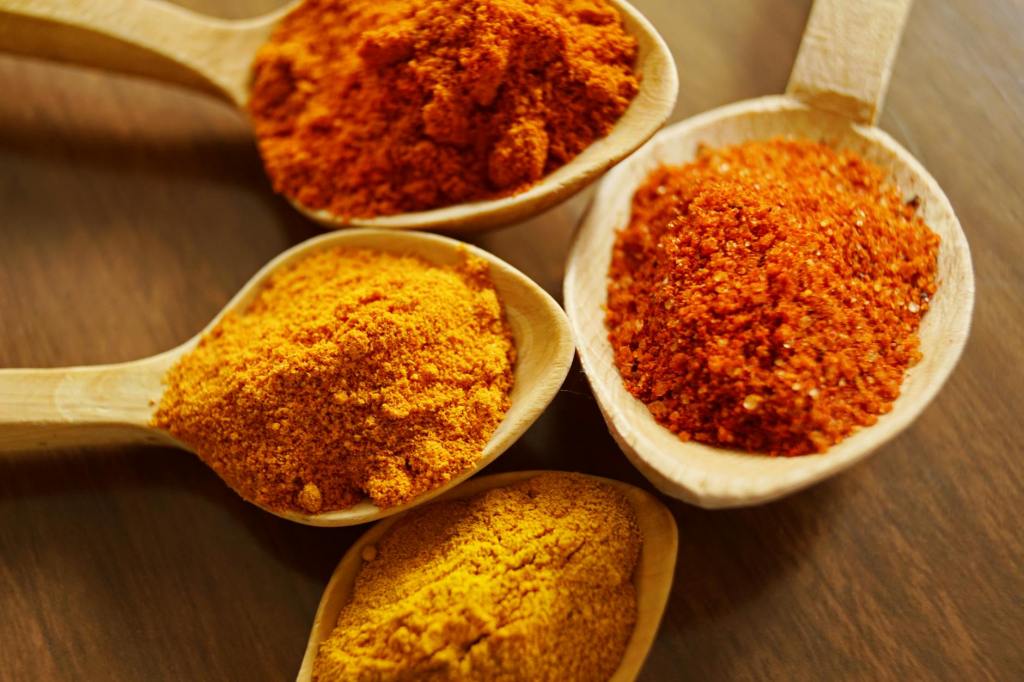
1. Ashwagandha (Withania somnifera) – India’s Stress-Defying Adaptogen
- Clinical studies show high-concentration ashwagandha root extract significantly reduces stress and anxiety, with over 60% of users reporting improved quality of life in 60-day trials.
- It supports cognitive clarity, hormonal balance, muscle recovery, and even immune resilience .
- Pro Tip: Take 300–1,200 mg/day split into 1–2 doses; best with meals for optimal absorption .
2. Lion’s Mane Mushroom (Hericium erinaceus) – Japan’s Brain Booster
- Rich in neurotrophic compounds (erinacines), Lion’s Mane supports nerve growth, brain cell regeneration, and cognitive resilience.
- Research and user reviews highlight benefits in focus, memory, mood stability, and inflammation reduction.
- Pro Tip: Opt for full-spectrum fruiting-body extracts; typical dosing is 500–3,000 mg daily.
3. Turmeric / Curcumin – Southeast Asia’s Anti‑Inflammatory Powerhouse
- The active compound curcumin acts as a potent modulator of inflammation pathways and crosses the blood-brain barrier for neuroprotection.
- Used widely in traditional medical systems, it supports joint health, cognitive function, and metabolic wellness .
- Pro Tip: Pair with black pepper and fat-rich food to boost bioavailability; 500–2,000 mg/day is common.
4. Sea Buckthorn (Hippophae rhamnoides) – Central Asia’s Nutrient-Dense Superberry
- Packed with vitamins A, C, E, rare Omega‑7, flavonoids, and carotenoids—offering antioxidant, skin, gut, and cardiovascular support .
- Studies show efficacy in wound healing, ulcer relief, and metabolic control.
- Pro Tip: Consume as juice, oil, or capsules (~500–1,500 mg/day); topical oils deliver hydration and repair .
5. Jiaogulan (Gynostemma pentaphyllum) – China’s “Immortality Herb”
- Dubbed “southern ginseng,” it’s eight times richer in antioxidants than green tea and contains gypenosides that activate AMPK, boosting metabolism and mitochondrial efficiency nypost.com.
- Health benefits include lowering cholesterol and inflammation, supporting liver health, and bolstering insulin sensitivity .
- Pro Tip: Brew 1–2 tsp herbal tea daily or use standardized extracts; start with smaller doses to monitor tolerance .
🧭 Why These Herbs Are Biohacking Staples
These botanicals are major players because they:
- Offer scientifically backed adaptogen, nootropic, and anti-inflammatory effects
- Are sourced from ancient traditions—yet validated by modern research
- Provide accessibility and versatility via teas, powders, capsules, and culinary uses
- Fit into scalable biohacking stacks—ideal for smart supplementation strategies
🔁 Practical Routine Example
- Morning: Amber Lion’s Mane in coffee or tea
- Mid-day: Turmeric latte (with fat and black pepper)
- Evening: Ashwagandha + jiaogulan herbal infusion
- Topical boost: Sea buckthorn oil for skin or nail care
⚠️ Safety & Quality Tips
- Use standardized, organic, full-spectrum extracts
- Watch for interactions—e.g., curcumin with blood thinners
- Pregnant/breastfeeding? Check with your health professional—some herbs may not be suitable
- Start with one herb, track your response, then consider stacking
✅ Final Takeaway
These five Asian botanicals—Ashwagandha, Lion’s Mane, Turmeric, Sea Buckthorn, and Jiaogulan—form a diverse toolkit for modern biohackers aiming for better stress resilience, cognitive sharpness, metabolic health, and skin vitality. Rooted in centuries-old traditions and propelled by contemporary science, they’re poised to dominate the next wave of natural enhancement.
 Biohacking with Kate
Leave a comment