Biohacking with Kate

Mixing Old Wisdom with New Tech

My biohacking journey

  • Mixing Old Wisdom with New Tech: My Biohacking Journey

    For me, biohacking is about using the amazing tools and tech we have today to help us grow and feel better—while also remembering the deep, beautiful wisdom our ancestors lived by.

    I’m here to share some of the free and simple biohacking tricks I’ve discovered while exploring what’s out there. This journey is all about blending modern innovation with timeless, natural practices—and seeing what actually works.

    The thing is, so many things our ancestors did naturally have become rare or even “inconvenient” in today’s world. Stuff like soaking up sunshine, drinking fresh spring water, or just walking barefoot—it used to be normal, now it feels like a wellness trend. But honestly? These simple things are powerful and they don’t cost a thing.

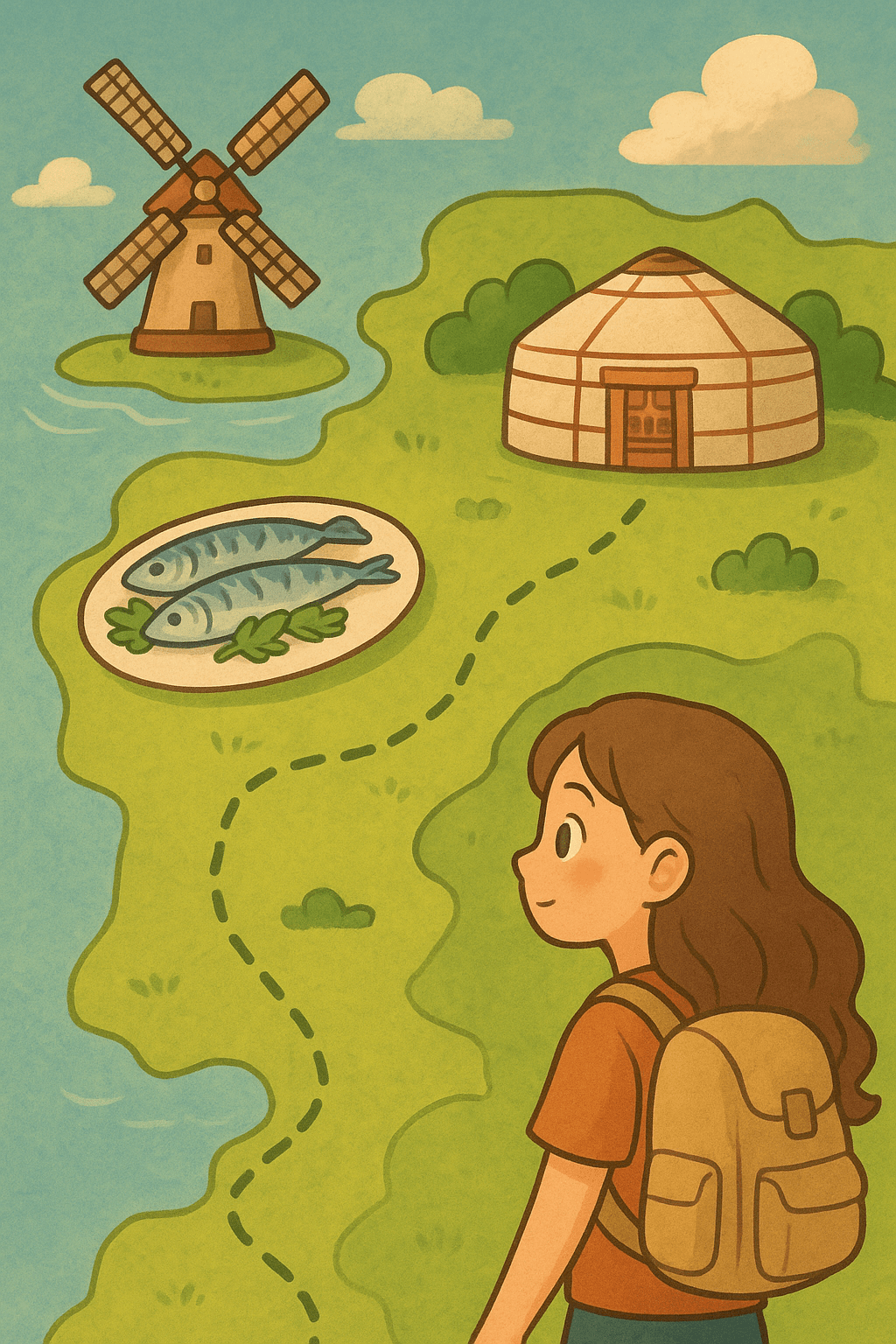
    I grew up in Mongolia, watching my grandparents live a semi-nomadic lifestyle—part of the year in the village, the rest out on the open steppe with their animals. So many of the things we did every day back then now feel like epic biohacks in today’s fast-paced world.

    When we were out in the steppe, we lived in a yurt without electricity. Our days started at dawn—we’d wake up early to milk the animals and walk them to fresh grass. I still remember walking barefoot on the dewy morning grass, greeting the sunrise. Breakfast was a rich, buttery milk tea (original bullet proof coffee, you are welcome Dave Asprey 😄) and some dried curd we made ourselves, full of good stuff like protein, calcium, and vitamin C.

    We were always moving—walking for hours, doing chores, just living in sync with nature. At night, we’d wind down by the fire, chatting and slowly drifting to sleep. No screens, no noise, just connection and calm.

    As I dive deeper into biohacking now, I’m realizing more and more that nature has to come first. It’s the foundation.

    Don’t get me wrong—I’m not saying the “good old days” were better. I love the world we live in now. We have access to so much information, amazing technology, and honestly, life is a lot easier. But I think the magic happens when we take the best of both worlds—ancient and modern—and make it our own.

    So I’ll keep exploring, testing, learning, and most importantly—sharing what I find with you, honestly and from the heart.

    Stick around and come along on this journey of upgrading life with a little help from the old ways and the new tools.

    With love,
    Kate
    Biohacking with Kate

  • 5-Week Update: Becoming a Superhuman Being

    It has been 5 weeks (35 days) since I began my journey to become a superhuman.

    Each week, my goals were to:

    • Stack one new biohacking habit
    • Try one biohacking diet
    • Test one biohacking product

    On September 22, 2025, my weight was 69.4 kg,

    (Already a great start since I began my weight loss journey at 72.6 kg in the beginning of September
    I followed Siim Land’s weight loss challenge for 3 weeks before I start my 100 days journey.)

    I work out 4–5 times per week and prepare my meals weekly.


    Progress Summary

    WeekDietProductHabitWeightNotes
    Week 1OMAD ✅Exhale Coffee ✅Meditation ✅68.7 kg (-700g) 😺
    Week 2Mediterranean ✅Leyla Heal Necklace ❌Box Breathing ✅69.1 kg (+400g) 😿Travel week, got sick
    Week 3Keto ✅Longevity Complete ✅Journaling ✅67.1 kg (-2000g) 😺
    Week 4Carnivore ✅Healia ✅Daily Reading ✅65.9 kg (-1200g) 😺
    Week 5Lion ❌Healia ✅Oil Pulling ✅65.4 kg (-400g) 😺

    Total weight lost in 5 weeks: 4 kg 🎯


    Reflections on the Journey

    What I love most about this approach is that I only focused on one new thing at a time, gradually building sustainable habits.
    In the second week, while traveling and recovering from illness, I had to set my diet aside to prioritize healing—and that was okay.

    So far, I’ve noticed:

    • More energy throughout the day
    • Better structure in my routine
    • Greater happiness, thanks to meditation, box breathing, journaling, and reading

    Instead of spending hours on my phone or watching Netflix, I now invest that time in my well-being. That’s a huge win for me.


    Biohacking Diets

    Week 1: OMAD (One Meal a Day)

    OMAD works well for me because I enjoy having a lavish meal. Instead of spreading food across lunch and dinner, I have one fulfilling meal a day.
    For lunch, I usually have bulletproof coffee.
    Although my overall calorie intake stays similar, the longer fasting window keeps my blood sugar stable and insulin levels low, which helps me lose weight faster.

    Week 2: Mediterranean Diet

    The Mediterranean diet is both delicious and healthy, but it’s easy to overeat—especially with generous portions and olive oil. Portion control is key here.

    Weeks 3–5: Keto, Carnivore, and Lion Diets

    I gradually moved to more restrictive diets: Keto → Carnivore → Lion.

    I love Keto and Carnivore diets—they helped me lose weight and feel amazing. I often combined them with OMAD for even better results. However, these diets aren’t very sustainable long-term.

    The Lion Diet was the most challenging. While it can benefit those with autoimmune or gut issues, it was too restrictive for me (just beef and salt). I lost 1.8 kg in six days, but after eating ramen on day seven, I regained 1.4 kg. I also didn’t feel more energized, though perhaps a longer trial would show better results.


    Biohacking Products

    I enjoyed most of the products I tested, except for the Leyla Heal Necklace, which was hard to evaluate since the effects weren’t tangible.

    My favorite product was Healia by TheraNordic, which I plan to continue using and reviewing for two more weeks.


    Final Thoughts

    Overall, I’ve seen huge improvements in my health, habits, and daily energy.

    Am I a superhuman yet?
    Not yet.

    Will I become one in 100 days?
    Absolutely possible! 💪

  • It dawned on me that we have only 100 days left until 2025.

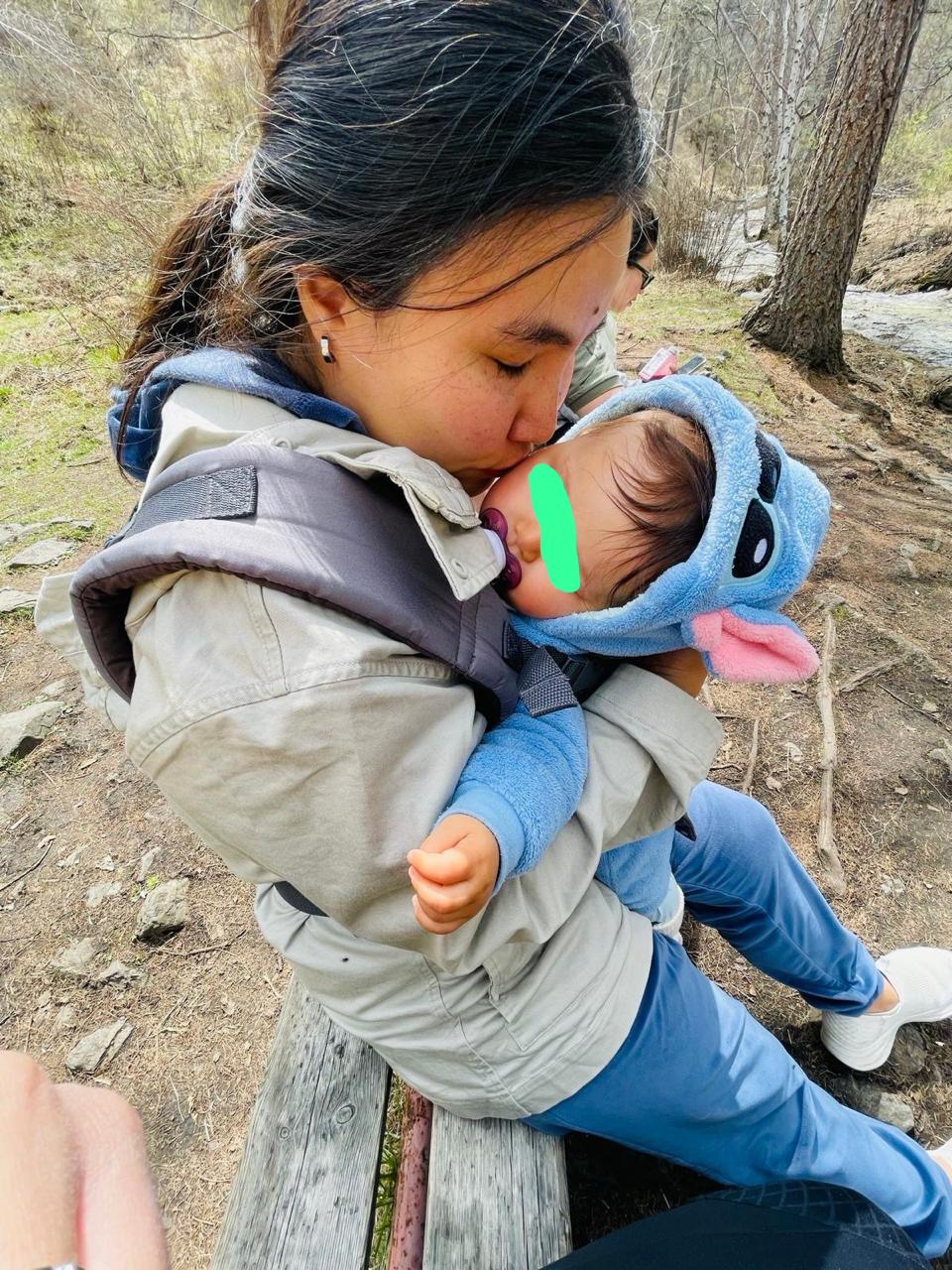
    I had the most amazing 2025, spending so much time in Portugal and Mongolia with our family—it was priceless. But with a little baby and working full time, establishing routines was not easy.

    Now that Jasmin goes to daycare three times a week and we’re back in the Netherlands, where we live, I want to give my 100% for the last 100 days of 2025.

    I’m starting a 100-day challenge to become a “superhuman.”

    Every week, I will:

    • Stack one new biohacking habit
    • Try a biohacking diet
    • Test one biohacking product

    I’ll share my journey openly on social media, and every week I’ll post my results here on the blog.

    With love,
    Kate

  • Connecting the Journey

    When I look back on this past year, it feels like piecing together a puzzle—each country, each season, each challenge adding something to the whole. It wasn’t perfect, but together these experiences created a picture I couldn’t have imagined before becoming a mother.

    🌞 Portugal was our first big leap, with Jasmin only three months old. The Algarve gifted us endless sunshine, fresh seafood, and a slower rhythm of life. It was the season of learning to live with light, of feeling nourished by nature and community. Portugal reminded me that health is not just what you eat—it’s how the sun warms your skin, how you share meals with loved ones, and how you allow yourself to enjoy the present moment.

    🏔️ Mongolia, my homeland, was a completely different piece of the puzzle. After 17 years away, I saw it with new eyes—through the lens of a biohacker and as a mother. Grass-fed meats, fresh dairy, and mineral-rich traditions felt like reconnecting to something ancient, something deeply human. At the same time, I couldn’t ignore the challenges: air pollution in the city, the rise of fast food, and the reality that not every environment supports optimal health. Mongolia reminded me of the strength of my ancestors, of resilience, and of the power of returning to basics.

    🍼 The year of travel itself was perhaps the hardest puzzle piece to place. I went into it thinking we could balance everything—work, biohacking, parenting, exploring new places. But life quickly taught me that sometimes just making it through the day is enough. Mental health became the cornerstone of my biohacking practice. The truth is, there weren’t dramatic physical transformations—just a slow, steady lesson in resilience, patience, and self-compassion. This piece of the puzzle was messy, but it was real.

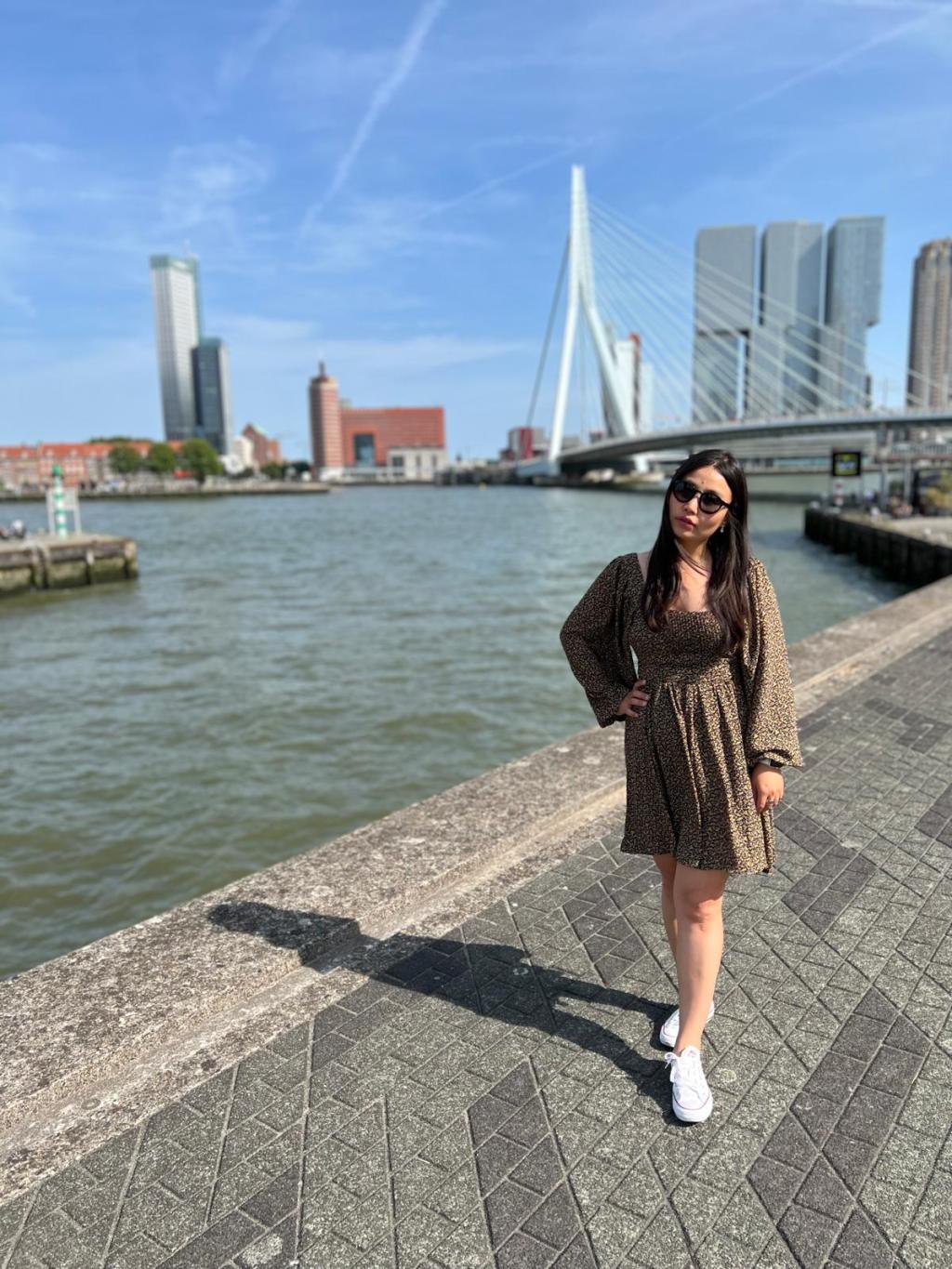
    🌿 Finally, returning to the Netherlands felt like the piece that completed the picture. Coming home after eight months, I saw things differently. The accessibility of fresh fruits, vegetables, protein products, and supplements felt like a luxury. The walkability, the small green spaces, the thriving biohacker community—all of it gave me a sense of grounding I didn’t know I had missed so much. Yes, there is rain, and yes, routines here can feel predictable—but in this season of life, routine and community are exactly what I need.


    Together, these four pieces form the full picture: biohacking isn’t about chasing perfection. It’s not about never missing a workout, always eating clean, or finding the latest gadget. It’s about adapting to the season you’re in, learning from the environment around you, and staying rooted in what really matters—mental health, connection, and presence.

    This year showed me that biohacking can look different in Portugal, Mongolia, or the Netherlands. It can mean sunlight and seafood, ancestral nourishment, survival-mode parenting, or weekly meetups in Amsterdam. The puzzle pieces don’t look the same—but together, they tell the story of growth, discovery, and a deeper understanding of what it means to live well.

    Now, with the last piece in place, I feel ready for the next chapter—grounded, grateful, and open to whatever comes next.

  • After 8 Months Away from the Netherlands: What I Missed as a Biohacker

    After eight months of living between Portugal and Mongolia, coming back to the Netherlands felt like a deep exhale. The very first thing I missed? My own bed and the comfort of our home. There’s something grounding about being back in your own space—familiar, cozy, and stable.

    When we left, Jasmin was only three months old. Returning now, it felt almost like she was rediscovering her own home for the first time.


    Protein Products and Accessibility

    One of the biggest differences I noticed while traveling was the availability of protein products.

    In Mongolia, protein powders and supplements were almost non-existent in regular stores. Of course, meat there is abundant, high-quality, and inexpensive, so perhaps supplements aren’t seen as necessary—people simply eat meat as their primary source of protein.

    In Portugal, protein powders and bars were much easier to find, even in regular supermarkets.

    But in the Netherlands, accessibility has reached another level. Coming back, I was surprised to see how much variety had been added in just the past eight months. From protein powders to bars and ready-to-drink shakes, it feels like the options have multiplied overnight.


    Supplements, Fresh Food, and Everyday Biohacks

    Another thing I missed in the Netherlands is the wide availability of supplements and clean-ingredient products. In Portugal, it was possible to order some items online, but here in the Netherlands even the local supermarket stocks MCT oil and other niche health products.

    And then—fruits and vegetables. After three months in Mongolia, which truly is a paradise for carnivores, I found myself craving fresh, diverse, plant-based foods. Back here, the accessibility and quality of produce feel like such a gift.

    I also deeply appreciate how walkable life is in the Netherlands. Even though our home isn’t directly close to nature, we have a small backyard—and that simple connection to green space makes a big difference in everyday wellbeing.


    The Biohacking Community

    Another highlight of being back is the community. Dutch people work out a lot, so gyms, fitness studios, and outdoor training spots are everywhere. And the biohacking scene here is thriving—there are regular meet-ups in Amsterdam, almost weekly, where people share experiments, ideas, and support.


    The Only Drawback

    If there’s one thing I didn’t miss, it’s the rain. Dutch weather can make it tricky to spend as much time outdoors as I’d like. But even with that, the Netherlands remains one of the most supportive environments for biohacking I’ve experienced.


    🧭 Biohacker’s Takeaways from Returning to the Netherlands

    1. Appreciate accessibility – Protein products, supplements, and clean health foods are more available here than in many countries.
    2. Balance diet with variety – After time in a meat-heavy culture, fresh fruits and vegetables feel essential for balance.
    3. Movement matters – A walkable lifestyle and easy access to gyms or outdoor training make a big difference in consistency.
    4. Community fuels growth – Regular meet-ups and a like-minded network help keep motivation and curiosity alive.
    5. Embrace small green spaces – Even a backyard or balcony can provide grounding and a daily nature connection.
    6. Work with, not against, the climate – Rain may limit outdoor time, but there are always creative ways to adapt
  • Mongolia: Through the Eyes of a Biohacker

    Seventeen years ago, I left Mongolia. Since then, I’ve called Taiwan, Sweden, and several cities in the Netherlands home. In recent years, living in the Netherlands, I’ve been diving deep into biohacking. This summer, I returned to Mongolia for an extended stay—and for the first time, I saw my home country through a biohacker’s lens.

    To be honest, it wasn’t just the biohacker’s lens. It was also the lens of a mother. But for now, I’ll share the view from the biohacking side.


    The Mongolia People Imagine vs. The Mongolia I Experienced

    When many people picture Mongolia, they imagine endless steppes, round white yurts, and nomadic families herding animals under the vast blue sky. That image is partly true—maybe 30%.

    For thousands of years, Mongolians lived in deep harmony with nature. We rose with the sun, rested with the sunset, and ate only what we could produce ourselves. This way of life is still alive in the countryside.

    But my recent stay was in Ulaanbaatar, the capital, for three months. Thanks to friends, we rented a place near the mountains where we could hike. Ulaanbaatar is home to over 1.5 million people—more than half the country’s population—and it’s a bustling, modern city. You can find every type of cuisine and entertainment here. In many ways, you don’t miss out on modern comforts by living there.


    A Biohacker’s Paradise (or carnivore’s paradise)

    From a biohacking perspective, some things in Mongolia felt like pure gold.

    • High-quality grass-fed meat: Mutton, beef, horse, and even camel meat—yes, camel! Before I moved abroad, I didn’t even know meat could not be grass-fed. In Mongolia, herds roam freely, grazing on wild grasses. By default, it’s organic.
    • Organ meats: Mongolians eat organ meats regularly, and they’re easy to find. I was never a fan before, but this trip changed my mind.
    • Fresh dairy: Summer means abundant fresh milk, which becomes yogurt, handmade clotted cream, and calcium-rich dried curd—prepared using traditional methods.
    • Mineral-rich water: While tap water quality isn’t great, mineral water is widely available in supermarkets.
    • Rock salt: Locally sourced and packed with minerals, rock salt is a household staple.

    In many ways, the traditional Mongolian diet—rich in animal protein and dairy, low in processed foods—aligns perfectly with nutrient-dense eating.


    The Challenges

    But it wasn’t all perfect.

    • Air quality: Even though we lived near the mountains, the air pollution in the city was a real issue—caused by heavy traffic and weak environmental regulations.
    • Globalized food culture: While it’s exciting to have access to every type of cuisine, it also means 24/7 convenience stores, processed snacks, and global fast-food chains. Sadly, younger generations now have easy access to ultra-processed foods that don’t support long-term health.
  • Living in the South of Portugal for 5 Months: My Take Through a Biohacker’s Lens

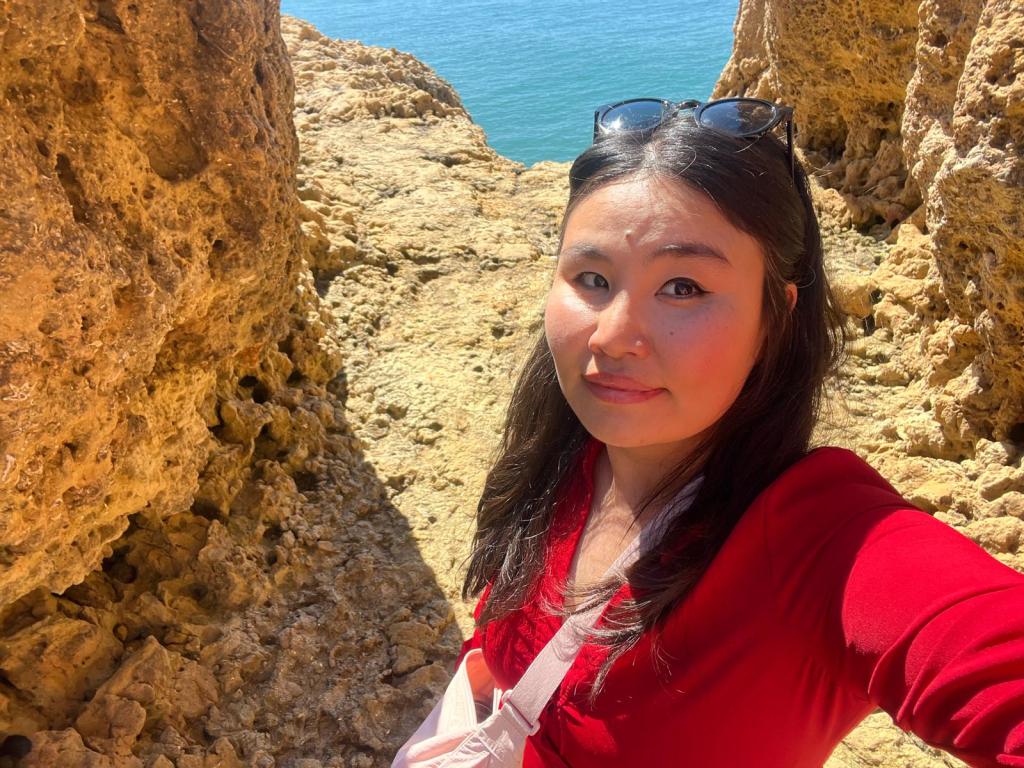
    When our baby girl turned three months old, we made a bold move—we packed up and headed to the south of Portugal, to the beautiful Algarve region. We found a cozy Airbnb, settled in, and let the sunny, coastal lifestyle set the pace for our days.

    Compared to the north, the Algarve is warmer, milder, and drenched in sunshine. That’s exactly why we chose it. As new parents, the idea of waking up to blue skies and soft ocean air felt like a dream.


    Portugal’s Culinary Goldmine for Biohackers

    From a biohacking perspective, Portuguese cuisine is full of treasures. High-quality olive oil, fresh fruits and vegetables grown locally, and meat that meets high standards are easy to find. Local cheeses are minimally processed and delicious.

    Then there’s the seafood—abundant and varied. Locally caught sardines, octopus, and other fresh fish are part of daily life here. Eating seasonally and from the sea became a natural part of our routine.

    The south’s endless sunshine added another layer of wellness—daily walks, outdoor meals, and the mood boost only Vitamin D can bring.

    I was also pleasantly surprised to see the biohacking community growing in the Algarve. Meeting others who shared an interest in health optimization made the experience even richer.


    The Watch-Outs

    Of course, no place is perfect. As a biohacker, there were a few things to be mindful of:

    • Tempting treats: Portugal’s deep-fried snacks and pastries are irresistible. They’re worth enjoying, but only as an occasional indulgence.
    • Humidity and mold: The Algarve’s air is relatively humid, especially in winter when the rains come. This can lead to mold issues in homes, something to watch for if you’re staying long-term.

    Overall Impression

    For me, the south of Portugal ticks nearly all the boxes for a biohacker—quality food, abundant sunshine, a supportive community, and a lifestyle that encourages movement and connection. With just a few mindful adjustments, it’s a place where health and happiness can thrive.


    🧭 Biohacker’s Takeaways from 5 Months in the Algarve

    1. Prioritize fresh, local produce – Make seasonal fruits, vegetables, and seafood your staples.
    2. Embrace healthy fats – Portuguese olive oil is world-class—use it generously.
    3. Watch for hidden indulgences – Enjoy pastries and fried snacks sparingly to keep energy and metabolism stable.
    4. Get your sun time – Leverage the Algarve’s abundant sunshine for Vitamin D, mood, and circadian rhythm support.
    5. Connect with like-minded people – Seek out local health and wellness communities for inspiration and accountability.
    6. Check your living environment – Monitor indoor humidity to prevent mold, especially in winter.
  • Getting Real: Balancing Work, Travel, and Biohacking as a New Mum

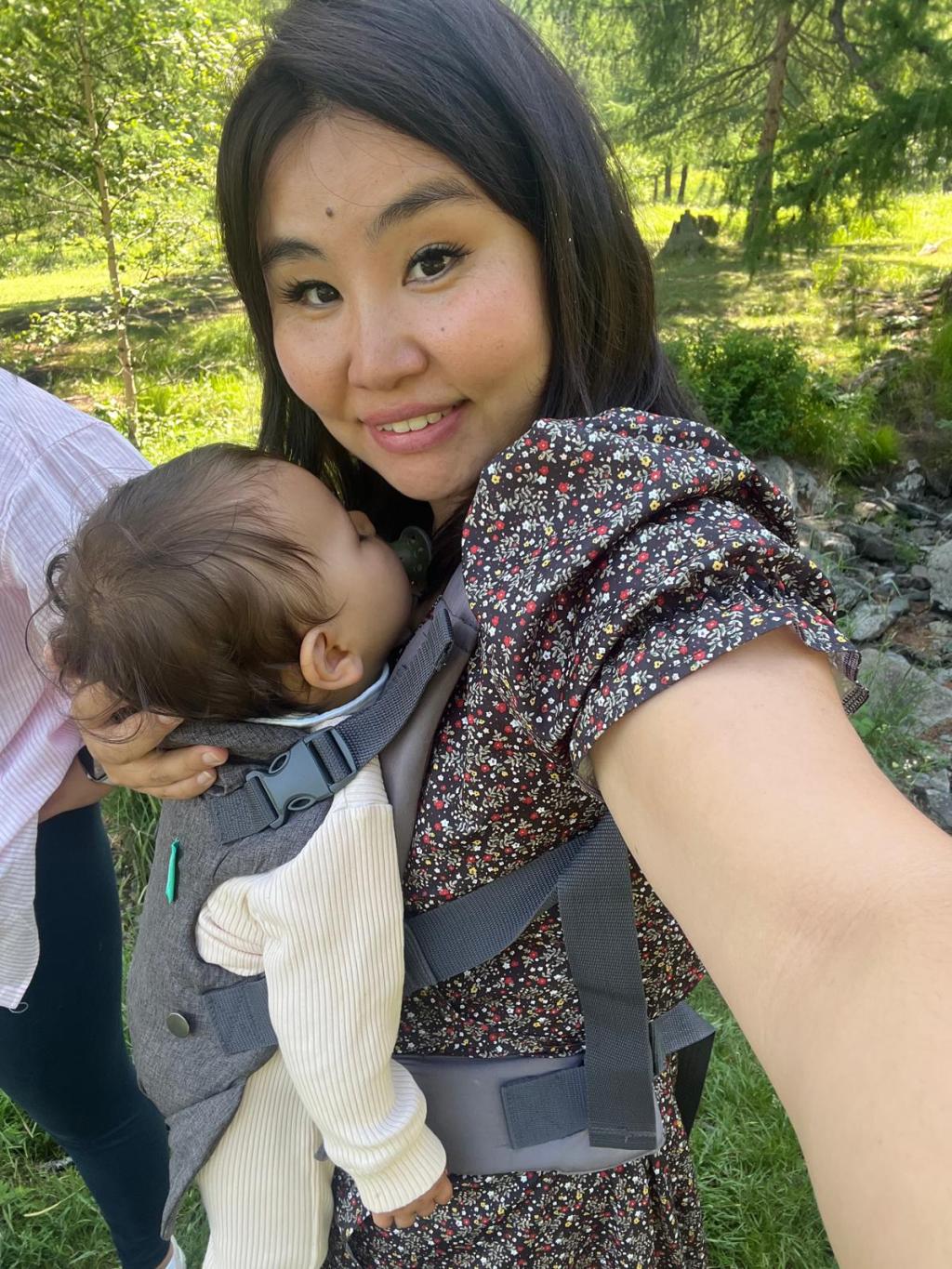
    A year ago, our little Jasmin arrived and changed our world forever. I still can’t believe she’s one. It feels like yesterday that my husband and I, in our new-parent haze, decided we’d spend her first year between Portugal and Mongolia—chasing sunshine, family, and the perfect balance of work, travel, and biohacking.

    When Jasmin turned three months old, we packed our bags and flew to the south of Portugal. The plan was three months. We stayed for five. Portugal has a way of wrapping you up in its warmth—golden sunsets, sea breezes, and the slow, delicious pace of life.

    I thought that by the three-month mark, I’d fall back into my “normal” rhythm: early mornings, nourishing meals, movement, and deep self-care. I began documenting my biohacking journey again, and in those early weeks, it all looked promising.

    We were lucky to find a wonderful nanny who could help a few days a week. I pictured us working full-time, fitting in workouts, eating clean, and still wandering through charming towns on the weekends. Friends and family visited, filling our days with laughter and shared meals.

    But here’s the truth: biohacking, exercising, eating well, and caring for a baby—while keeping up with work—was harder than we ever imagined. We were first-time parents, learning on the go, and we underestimated the energy it would take.


    From Algarve to the Steppes

    After five months in Portugal, we headed to Ulaanbaatar, Mongolia. The shift was huge—gone were the ocean views, replaced with wide-open skies and busy city.

    We joined a gym the moment we arrived. Mongolia’s food is a dream for any biohacker—pure grass-fed meat, rich ghee, mineral-packed rock salt. We filled our fridge and felt ready to take our health to the next level. With family caring for Jasmin a few times a week, we thought we’d cracked the code.

    Then reality knocked again. The seven-hour time difference with our work meant late nights—often until 11 p.m.—and our bodies protested. Fatigue crept in, junk food cravings whispered, and our best-laid health plans started to bend.

    We had overpromised ourselves. Looking back, maybe we could have pushed harder. But I promised myself I’d share the real version of this journey—not the perfectly curated one.


    What Really Happened

    When I started biohacking after Jasmin’s birth, I weighed 74 kilos. Now I’m 72. Not a dramatic change—but this year wasn’t about numbers on the scale.

    This year was about mental health. About adjusting to our new roles as parents, finding joy in the chaos, and not losing ourselves in the process. On that front, I feel proud.


    A New Season

    Now we’re back in the Netherlands, Jasmin is starting daycare, and life feels like it’s opening up again. I have more space to focus on my body, energy, and all the hacks we’ve learned along the way.

    Mental health will always be my foundation—without it, the rest doesn’t matter. But with that foundation in place, I’m ready to restart, rebuild, and finish this year strong.

    Thank you for walking beside me in this journey—through the easy days, the messy days, and all the days in between. Here’s to the next chapter.


    🧭 Biohacker’s Takeaways from a Year of Travel with a Baby

    1. Your season of life matters – Adjust biohacking goals to match your reality, especially in high-demand phases like new parenthood.
    2. Environment influences habits – Surroundings, weather, and time zones can dramatically shape energy levels and routines.
    3. Flexibility is key – Some biohacks might need to be paused or adapted when life circumstances change.
    4. Prioritize mental health first – Without emotional stability, physical transformation is harder to sustain.
    5. Small wins add up – A few healthy meals, short workouts, or extra hours of sleep still count.
    6. Travel is an opportunity to learn – Different cultures and environments can inspire new healthy habits and mindset shifts.
  • The Potassium-Hydration Hack (and Why Your Fatigue Isn’t Always About Iron)

    Feeling tired, puffy, or crampy—and thinking it’s iron or dehydration? Maybe not. Sometimes, the real culprit is an imbalanced sodium-to-potassium ratio ⚖️.


    The Science of Potassium

    Potassium is a quiet hero. It helps your cells balance fluids, keeps your nerves firing, and supports muscle recovery after workouts. Without enough potassium, you can feel tired, bloated, and even experience water retention (despite drinking tons of water).

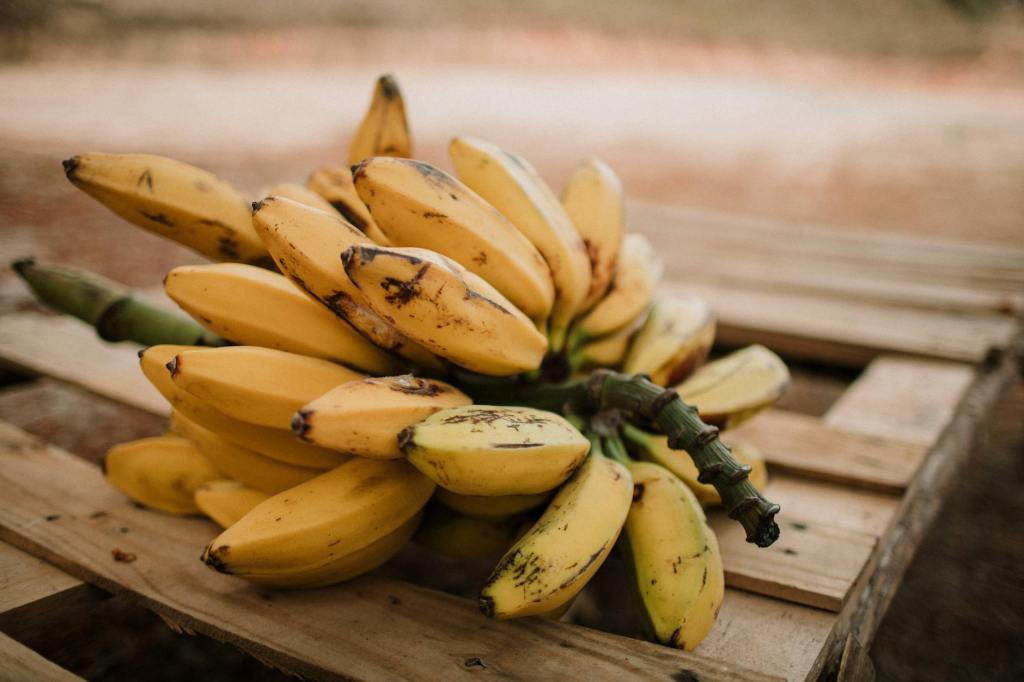
    Easy sources include bananas 🍌, sweet potatoes 🍠, spinach 🥬, and even mashed potatoes 🥔. Want a deeper hack? A small pinch of potassium chloride (KCl) added to water can help—just make sure to check with a doctor if you have kidney conditions.


    Mini Wellness Insight

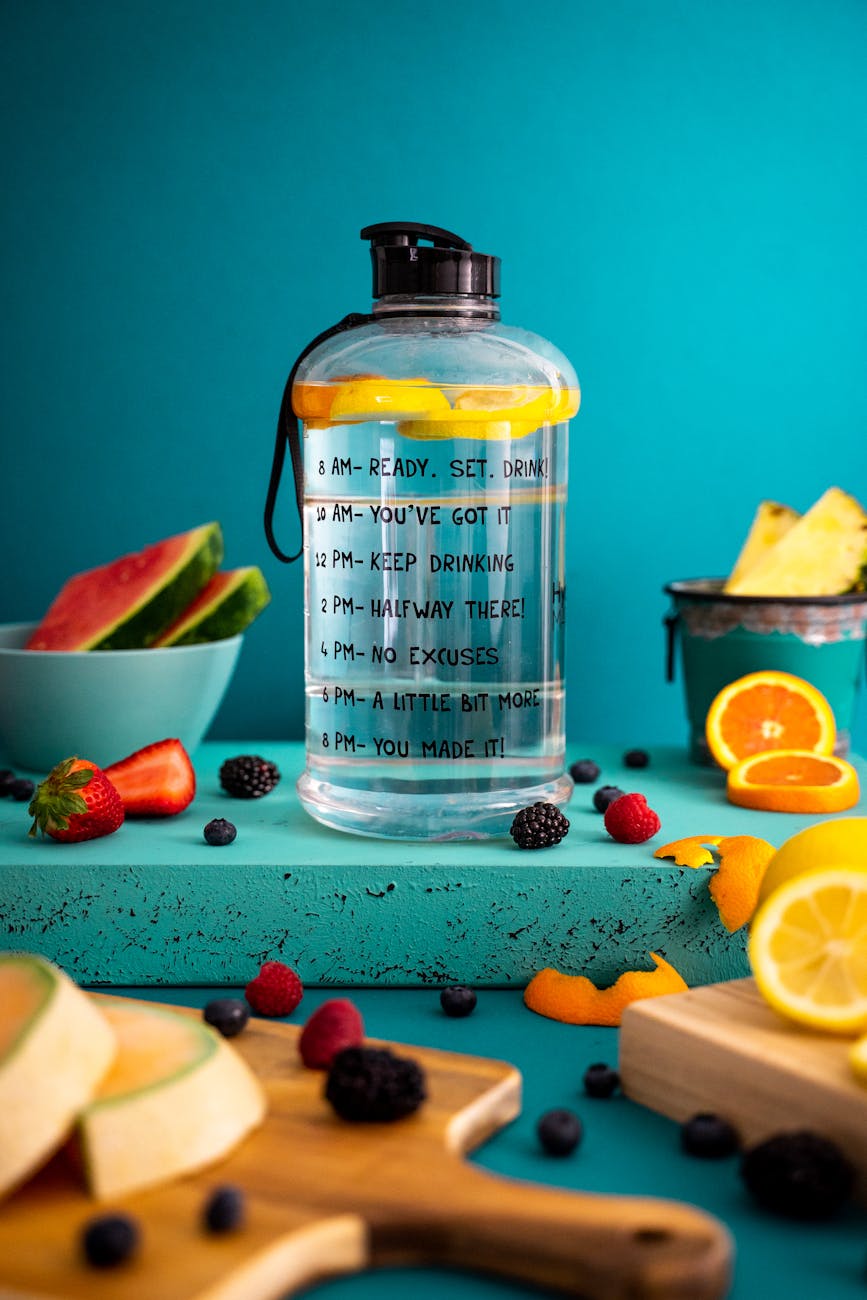
    Start with a hydration log for a week. Track how much water you drink, but also how much potassium and sodium you’re getting from foods. A simple swap—like adding more greens and cutting processed sodium—can completely shift your energy levels ⚡.

  • Gut Feelings: 7 Surprising Lessons from Real-Life Gut Tracking (and What I’d Do Differently)

    Ever chased the “perfect gut” with yogurt, probiotics, and kombucha—only to feel bloated and confused? You’re not alone. Gut health is tricky because it’s deeply personal and influenced by everything from stress 😵 to hydration 💧 to sleep.


    The Science of Gut Health

    Real gut tracking taught me something big: there’s no single magic food or pill. Gut health is a combination of habits, environment, and balanced nutrition.
    A few surprising lessons:

    • Artificial sweeteners like sucralose can disrupt your microbiome ⚠️.
    • Hydration is key—dehydration slows digestion and impacts gut motility.
    • Fermented foods (like kimchi, kefir, or sauerkraut) work better when they have tested strains.
    • Stress management matters—high cortisol can throw your digestion completely off track.

    Your gut is like a garden 🌱—you can’t just plant seeds (probiotics) and expect it to thrive. You need water, sunlight, and care—aka hydration, nutrient diversity, and low stress.


    Mini Wellness Insight

    Next time you shop, prioritize fermented foods with live cultures and fiber-rich produce 🥕. Pair this with mindful eating (chewing well and eating slowly) and daily hydration. You’ll notice not just better digestion but also improved mood and energy, since gut health and mental health are directly linked.

  • No, You Don’t Need 12 Protein Shakes: The Truth About Protein Timing & Muscle Gain

    The myth of the 30-minute ‘anabolic window’ after a workout is as outdated as pink dumbbells 🏋️‍♀️ and low-fat everything. For years, the fitness industry sold us the idea that if you didn’t slam a protein shake immediately post-workout, you’d “lose all your gains.” The truth? Your muscles aren’t watching the clock like drill sergeants.


    The Science of Protein

    Research now shows that total daily protein intake is what really matters—not how quickly you consume it post-training. Your body is much smarter and more flexible than old gym bro rules made us believe.

    Here’s what’s actually important:

    • Daily total: Aim for 0.6–0.8g of protein per pound of bodyweight for muscle building or maintenance.
    • Flexibility: Your body can effectively use larger protein meals spread throughout the day—no need for micro-portions every few hours.
    • Quality sources: Eggs 🥚, fish 🐟, grass-fed meats 🥩, legumes, or plant-based proteins all count.
    • Recovery pairing: Pairing protein with whole carbs (like rice 🍚 or potatoes 🥔) can speed up muscle recovery.

    So yes, enjoy a post-workout shake if you love it—but know that a balanced dinner or lunch with enough protein works just as well.


    Mini Wellness Insight

    Stop stressing about timers and focus on the bigger picture: total nutrition. Quality food, proper rest, and smart training matter far more than watching the clock. Let this free you up to eat intuitively and focus on foods you actually love.