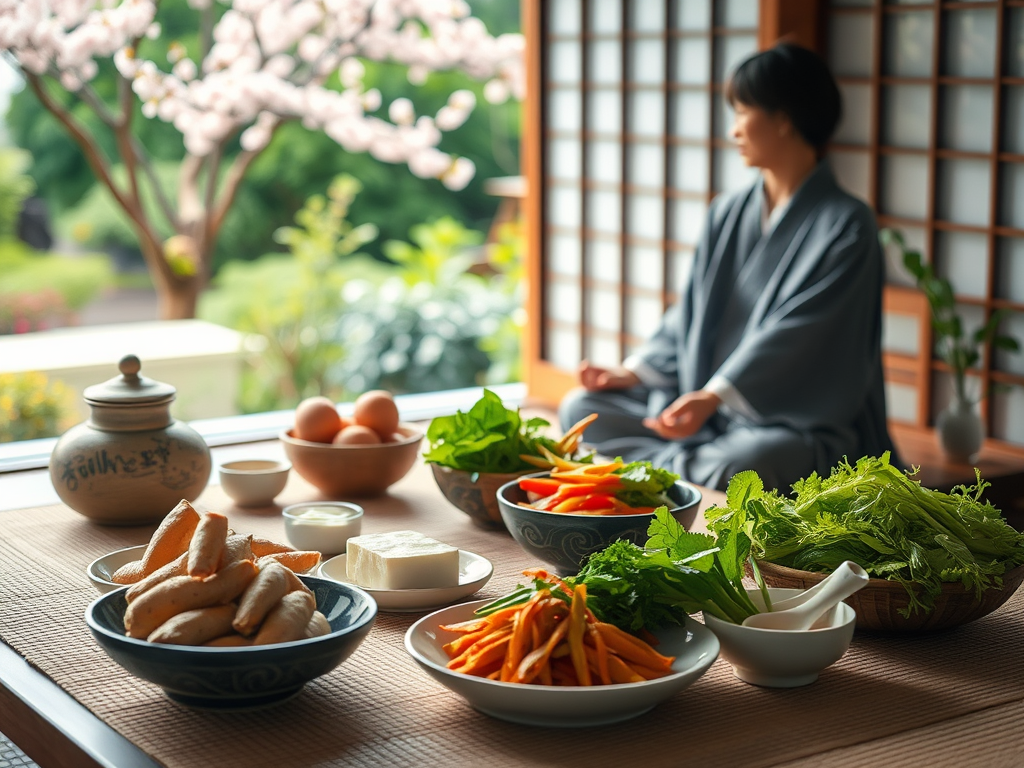
Japan consistently leads global life expectancy charts, thanks to a synergy of diet, mindset, movement, and community. Let’s explore the cultural practices that support robust longevity—and how you can adopt them today:
1. 🥢 Hara Hachi Bu – Eat Until 80% Full
Centered in Okinawa and practiced for centuries, hara hachi bu encourages eating only until you’re ~80% full. It promotes caloric self-regulation, aids digestion, prevents overconsumption, and supports healthy aging—a core principle driving Okinawa’s population of centenarians 40upzone.com+9graziamagazine.com+9timesofindia.indiatimes.com+9thetimes.co.uk+2slowingtheclock.com+2timesofindia.indiatimes.com+2enrgperformance.com+15greycicada.com+15en.mui.kitchen+15.
2. 🥗 Plant-Focused Okinawan Diet
This traditional diet emphasizes sweet potatoes, vegetables, seaweed, tofu, miso, and moderate fish. It’s low-calorie yet nutrient-dense—linked to reduced chronic disease rates—reflecting a plant-forward, longevity-centric nutrition model en.wikipedia.org+1timesofindia.indiatimes.com+1.
3. 🧘♂️ Ikigai – Cultivating Purpose
Having a clear life purpose—ikigai—provides mental resilience and motivation. Studies show those with a strong ikigai experience improved mental health and longevity, sustaining engagement well into old age japan-avenue.com+8rollingout.com+8timesofindia.indiatimes.com+8.
4. 🤝 Moai – Lifelong Social Support Groups
In Okinawa, moai are social collectives that provide emotional, financial, and practical support. These long-term community bonds offer stress relief, shared purpose, and enhanced well-being ikigain.org+1timesofindia.indiatimes.com+1.
5. 🚶 Daily Movement as Lifestyle
Instead of formal gym workouts, daily routines include morning stretches (Radio Taiso), walking, gardening, and gentle martial arts. Even centenarians stay active—like a 100-year-old man running 40 minutes daily through rice fields thetimes.co.uk+1timesofindia.indiatimes.com+1.
6. 🌿 Mindfulness & Low-Stress Rituals
Japanese culture integrates mindfulness through practices like tea ceremony, Zen meditation, forest bathing (Shinrin-yoku), and floral artistry (Ikebana). These rituals reduce anxiety, focus the mind, and enhance longevity timesofindia.indiatimes.com.
7. 😴 Regular Rest & Power Naps
Rest is culturally embraced—from consistent sleep routines to daytime naps (inemuri). These practices help regulate cognitive function and support recovery across all ages timesofindia.indiatimes.com.
8. 🌳 Respect & Integration of the Elderly
Elders are valued and integrated into the fabric of society, nurturing optimism and purpose. Japan’s reverence for older generations fosters mental health and reduces loneliness .
🌿 Why These Habits Matter
- Mindfulness & Moderation: Hara hachi bu prevents overeating, supports digestion, and aligns with calorie restriction studies activeman.com+15en.wikipedia.org+15mecenemarket.com+15.
- Purpose & Community: Social bonds and ikigai are instrumental to mental and emotional well-being—and longevity journee-mondiale.com+11glamour.com+11rollingout.com+11.
- Balanced Lifestyle: A combination of plant-based nutrition, daily movement, and rest contributes to lower chronic disease and high vitality, even past 100 rollingout.com+1timesofindia.indiatimes.com+1.
🛠️ Practical Tips for Adopting These Habits
- Mindful Eating: Stop at ~80% full—use smaller plates or nap with intention.
- Plant-Heavy Meals: Add more veggie, tofu, miso, and seaweed to your diet.
- Find Your Ikigai: Reflect on activities that give your life meaning.
- Join a Circle: Form a small support group for coffee, exercise, or shared interests.
- Move Everyday: Walk, stretch, or garden daily—keep it gentle and consistent.
- Create Mindful Moments: Try tea time, short meditations, or outdoor breaths.
- Nap When Needed: Listen to your body—consider 10–20 minute rest sessions.
- Respect Elders: Learn from older family members or mentor young people—helps both parties thrive.
✅ Final Word
Japanese longevity isn’t driven by a single secret—it’s a harmonized lifestyle: eat mindfully, stay active, nurture social bonds, embrace purpose, practice rest, and honor age. These habits form a blueprint for sustainable, resilient living. No gadgets, no fads—just life done well.
Let me know if you’d like personalized routines, recipes, or support in integrating these into your daily life!
 Biohacking with Kate
Leave a comment